

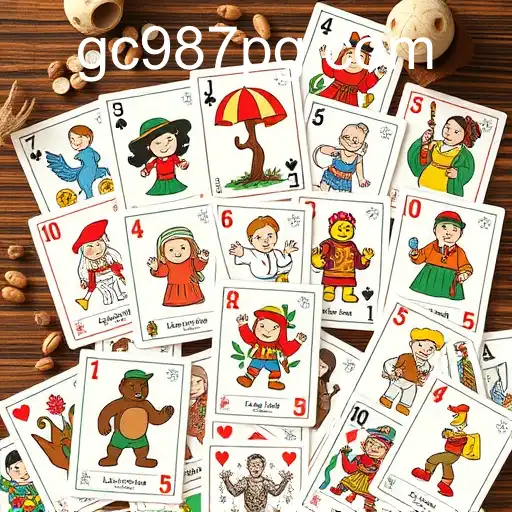
The Fascinating World of Loteria
7kklLoteria, a traditional game of chance, holds a prominent place in Mexican culture. Often compared to Bingo, Loteria includes a unique set of illustrations on a deck of cards, each accompanied by a distinct name and sometimes a short riddle-like poem. This game, recognized for its colorful images and engaging gameplay, has charmed generations and continues to be a staple at family gatherings and cultural celebrations.
The Origins of Loteria
Loteria traces its origins to Italy in the 15th century. During that era, a game known as "La Lotto d’Italia" gained popularity among the Italian populace. By the late 18th century, Loteria made its way to Mexico, where it evolved considerably. The modern version of Loteria was influenced heavily by traditional Mexican themes, which significantly contributed to its widespread appeal. Over time, each card was artistically curated to reflect Mexican culture, incorporating local symbols, attire, beliefs, and traditions.
1301betUnderstanding the Game
The game of Loteria is played using a deck of 54 cards, each illustrated with images ranging from "La Sirena" (The Mermaid) to "El Borracho" (The Drunk). In a typical game session, a cantador, or caller, randomly selects cards from the deck and announces them to the players, either by their name or by reciting a brief, often clever, description or riddle. The players, in turn, mark the corresponding image on their boards—referred to as tablas—using tokens, traditionally beans or coins.
The goal of the game is to fill a predetermined pattern on the tabla, which may align with traditional Bingo patterns, or be as simple as marking a full row, column, or diagonal. For modern variations, custom patterns can be predetermined as well. The first player to complete the pattern shouts "¡Loteria!" and is declared the winner.
Loteria’s Cultural Significance
Beyond its role as a game, Loteria serves as a cultural vessel, preserving Mexican heritage through its depictions of everyday life and mythological themes. Each card blends artistic expression with cultural storytelling, providing a window into Mexican identity. The cards evoke a sense of nostalgia and cultural pride, making Loteria much more than just a pastime.
The artistic style traditionally employed in Loteria cards is reminiscent of early 20th-century Mexican art. Vibrant colors and bold images define this aesthetic, making each card a piece of art. Many players and collectors alike value these cards for their artistic uniqueness and historical significance.
The Loteria Card Symbols
Each card in a Loteria deck carries its own symbolism, which often sparks conversation and interpretation. Some of the most iconic cards include:
- El Corazon (The Heart): Symbolizing love and passion, it often represents emotions and feelings. gc987
- La Estrella (The Star): This signifies guidance, dreams, and aspirations, reflecting hope and ambition.
- La Muerte (Death): Generally portrayed as a skeletal figure, this card often acknowledges the Mexican Day of the Dead traditions, symbolizing the cyclical nature of life and death.
- El Sol (The Sun): Representing life and energy, this card is seen as a positive and uplifting symbol.
The interpretation of these symbols can vary regionally and personally, adding layers of meaning to gameplay.
The Modern Revival of Loteria
The modern digital age has introduced Loteria to a broader audience, with digital versions available for mobile devices, allowing the classic game to reach new generations. Online platforms often host virtual Loteria games, bringing together players from various locations, further extending the game’s legacy.t89.com
Additionally, contemporary artists and designers have reinvented the Loteria cards, creating new versions that reflect current social issues, popular culture, and even political commentary. This new wave of Loteria creators maintains the core of the game while ensuring its relevance in today's world.
Playing Loteria Today
Whether played casually at family gatherings or as part of larger community events, Loteria maintains its role as a unifying force. Schools and cultural organizations often use the game as an educational tool to teach Spanish and share cultural insights with younger generations.
Despite technological advancements, the essence of Loteria remains unchanged, continuing to bring people together through its simple, yet profound, gameplay. You can discover more about Loteria through exploring local cultural events, specialty shops, or online resources.[Explore more about Mexican culture](/).
In conclusion, Loteria is not merely a game; it is a colorful tapestry of history, art, and cultural identity. As it moves forward into the future, Loteria is sure to inspire, educate, and entertain countless more generations across the globe.